
CAPRIGHTS-VP Strengthens Child Protection Through School Mobile Safe Space Initiative in Lagos
The Center for the Advancement and Protection of the Rights of Vulnerable People (CAPRIGHTS-VP), with support from the Freedom Fund and funding from the United States Department of State, has strengthened its commitment to protecting vulnerable children through the implementation of School Mobile Safe Spaces under A Program to Address Exploitative Child Domestic Work in Lagos.
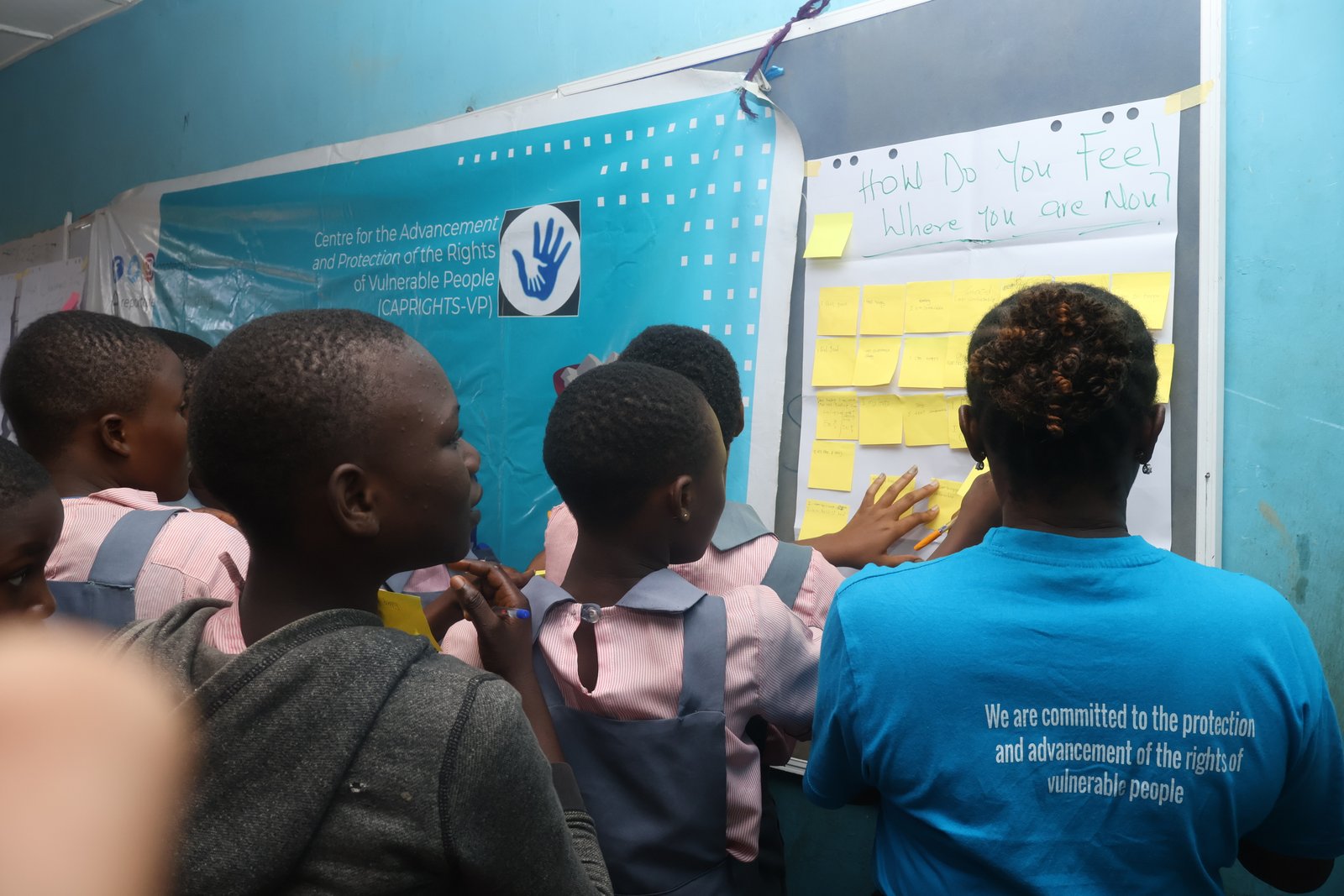
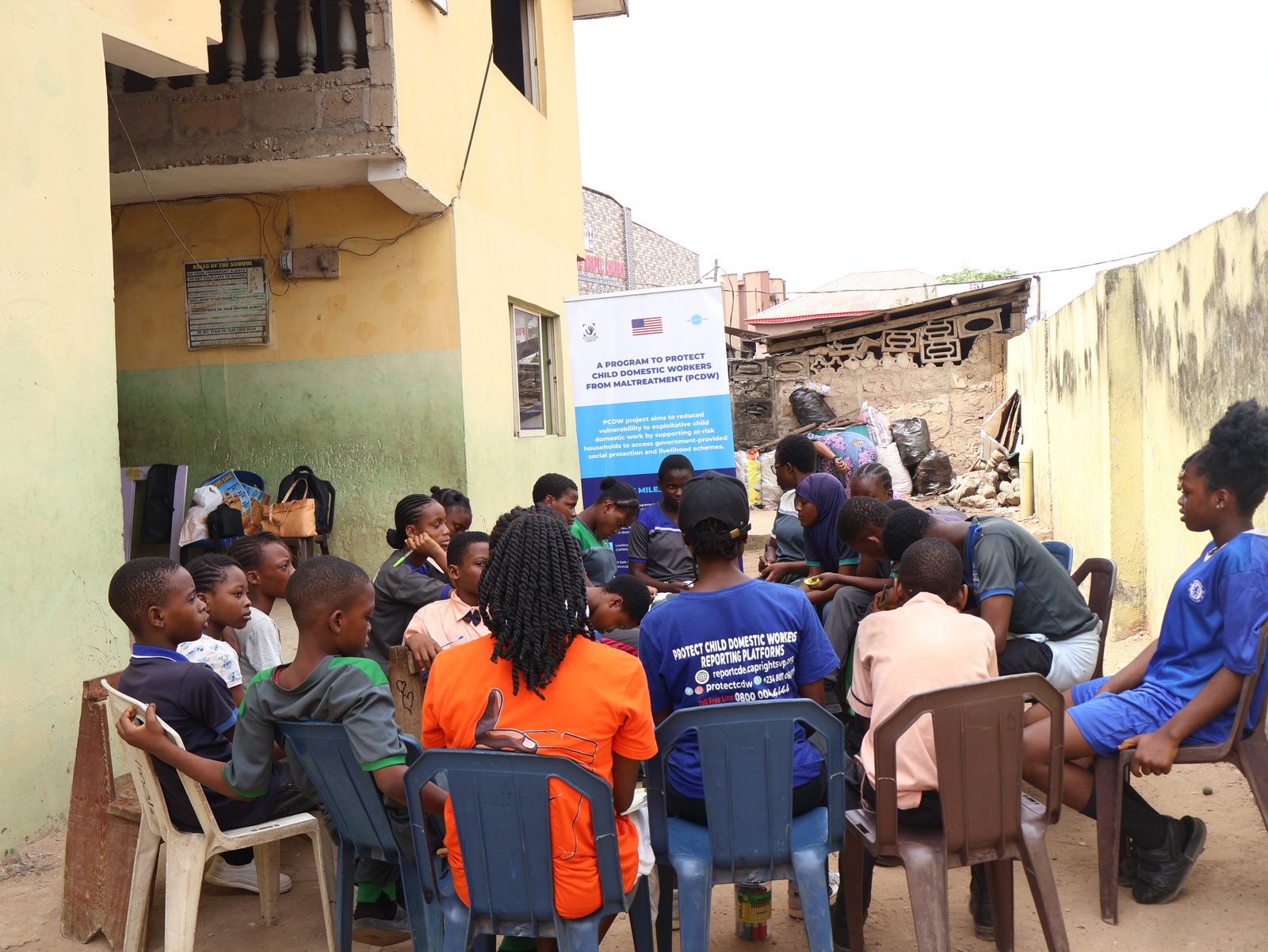
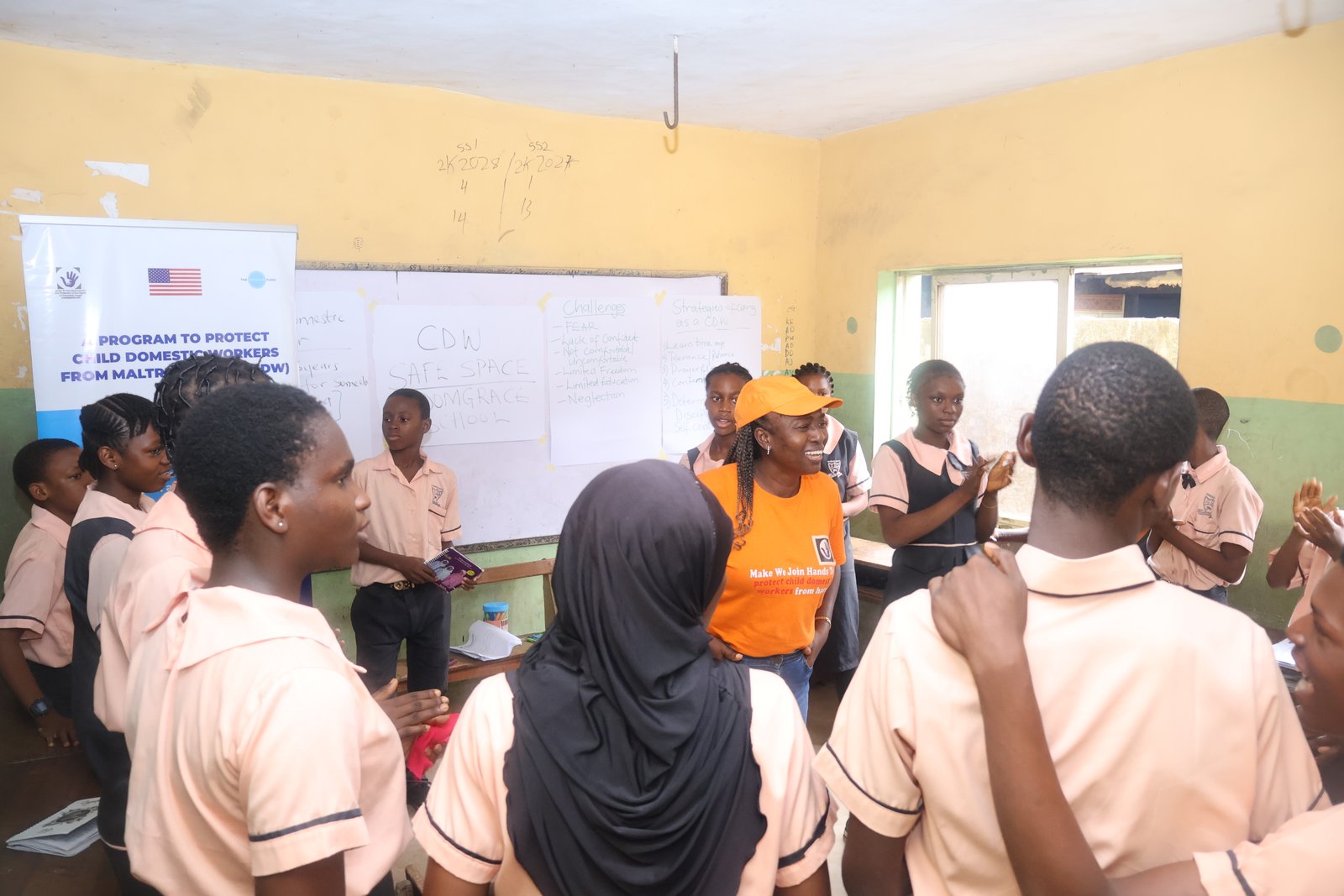
The initiative was implemented in Havannah College, Igando; Ipaja Junior Grammar School, Ipaja; Alimosho Junior Grammar School; and Dom Grace School, Idimu, providing a safe, confidential, and child-friendly environment where children at risk of or affected by exploitative child domestic work could openly discuss their experiences, receive psychosocial support, and gain knowledge on their rights and available child protection services.
The Center for the Advancement and Protection of the Rights of Vulnerable People (CAPRIGHTS-VP), with support from the Freedom Fund and funding from the United States Department of State, has strengthened its commitment to protecting vulnerable children through the implementation of School Mobile Safe Spaces under A Program to Address Exploitative Child Domestic Work in Lagos.
The initiative was implemented in Havannah College, Igando; Ipaja Junior Grammar School, Ipaja; Alimosho Junior Grammar School; and Dom Grace School, Idimu, providing a safe, confidential, and child-friendly environment where children at risk of or affected by exploitative child domestic work could openly discuss their experiences, receive psychosocial support, and gain knowledge on their rights and available child protection services.
Schools remain one of the most important environments for identifying vulnerable children and preventing exploitation. Through the School Mobile Safe Space initiative, CAPRIGHTS-VP sought to strengthen school-based child protection systems while empowering children with the knowledge, confidence, and life skills needed to protect themselves from abuse, violence, neglect, and exploitation.
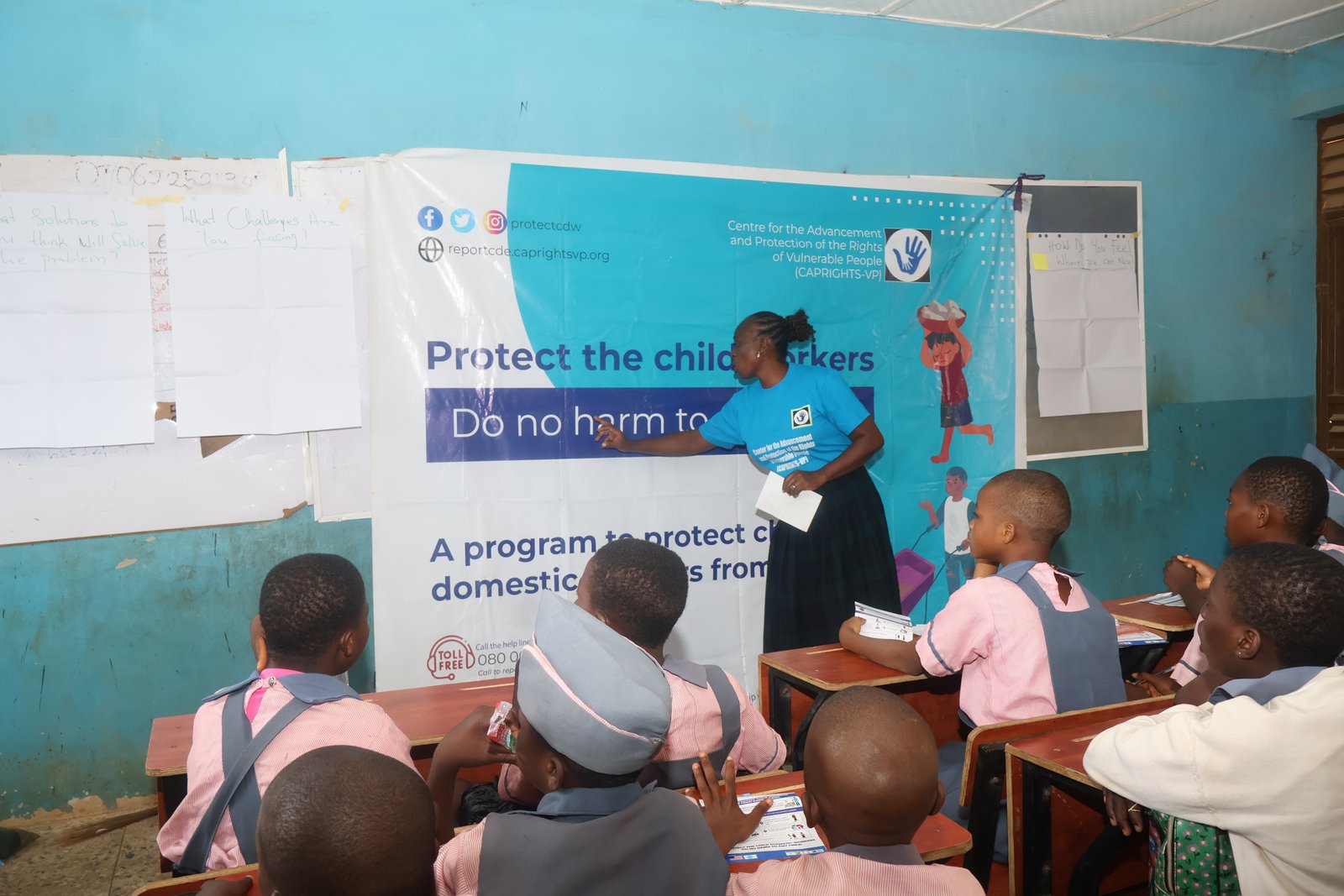
The sessions were facilitated by trained CAPRIGHTS-VP facilitators in collaboration with school counsellors, who delivered interactive and age-appropriate discussions on child rights, personal safety, emotional well-being, self-esteem, effective communication, healthy relationships, and strategies for preventing exploitative child domestic work. Through group discussions, storytelling, practical exercises, and confidential one-on-one interactions, the children were encouraged to recognize unsafe situations, identify trusted adults, understand their rights, and confidently report any form of abuse or exploitation.
Recognizing that many vulnerable children remain silent because of fear, intimidation, or stigma, the Mobile Safe Space created a supportive atmosphere where participants could freely express their experiences without fear of discrimination or retaliation. School counsellors played a critical role in providing emotional support, identifying children who required additional attention, and ensuring continuity of care through follow-up support within their respective schools. Where necessary, children requiring specialized assistance were referred through established child protection referral pathways.
During the sessions, several children courageously shared experiences that highlighted the emotional and psychological challenges they face in their daily lives. To protect their identities, their names have been withheld.
One participant shared, "The people I am living with always use abusive words against me." Another disclosed experiencing aggressive behaviour from my guardian, while another child revealed, "My aunt always uses abusive words on me without any cause." These testimonies reflected the emotional abuse and hostile home environments that many vulnerable children endure, reinforcing the need for sustained interventions that provide both protection and emotional support.
The Mobile Safe Space also encouraged children to reflect on positive behavioural changes and healthy coping strategies. One participant shared, "I have learned to behave better and changed the way I speak to my aunt." Another child expressed a renewed sense of empowerment, stating, "I am now able to build my confidence and speak out whenever something is wrong."
These reflections demonstrated the positive impact of the initiative in helping children develop resilience, strengthen their communication skills, improve their self-esteem, and understand that they have the right to live free from abuse and exploitation.
To strengthen children's access to protection services, participants were introduced to the project's reporting and referral mechanisms, through which cases of child abuse, neglect, violence, and exploitative child domestic work can be reported confidentially. Information, Education and Communication (IEC) materials were also distributed to reinforce key child protection messages and encourage continued awareness among students, teachers, and caregivers.
The School Mobile Safe Space further strengthened collaboration between CAPRIGHTS-VP and participating schools by enhancing the capacity of school counsellors and education stakeholders to identify vulnerable children, provide basic psychosocial support, respond appropriately to child protection concerns, and facilitate timely referrals to relevant service providers.
Speaking on the significance of the initiative, CAPRIGHTS-VP reaffirmed its commitment to protecting vulnerable children through collaborative action.
"Every child deserves to grow up in an environment where they feel safe, respected, and valued. The School Mobile Safe Space provides children with the opportunity to speak, be heard, and receive the support they need. By working closely with schools and counsellors, we are strengthening protective systems that help prevent exploitative child domestic work and other forms of abuse," the organisation stated.
The School Mobile Safe Space is one of several interventions being implemented under A Program to Address Exploitative Child Domestic Work in Lagos, which seeks to reduce the prevalence of exploitative child domestic work through prevention, early identification, community engagement, capacity strengthening, psychosocial support, and strengthened child protection referral systems across Lagos State.
More Images